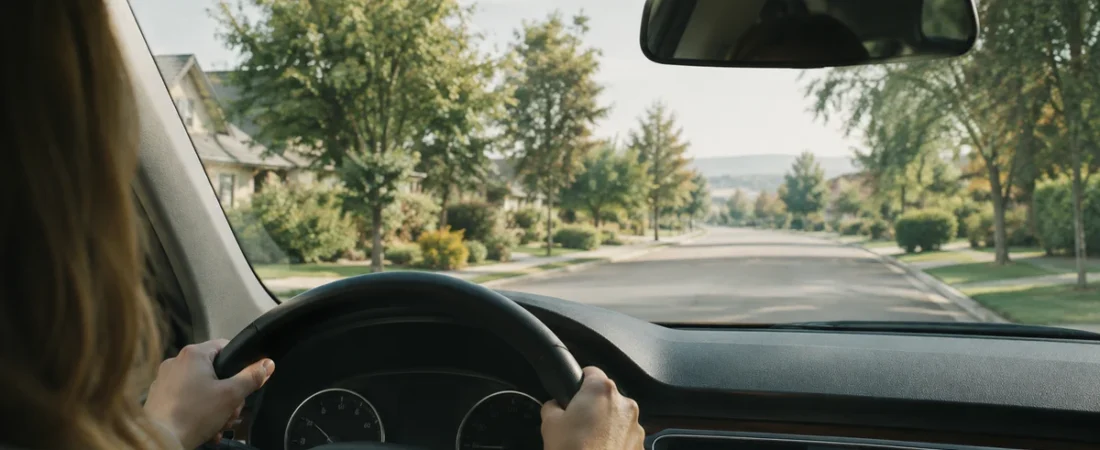
Driving anxiety ranges from mild nerves on the highway to intense fear that stops you from driving at all. It’s common after an accident, but it often appears without any clear trigger. When severe, it’s sometimes called a driving phobia (amaxophobia). With the right approach, most people can get back behind the wheel with confidence.
You don’t have to handle anxiety alone.
Online-Therapy.com connects you with a licensed therapist and a structured CBT program you can follow from home. Use code THERAPY20 for 20% off your first month.
See how it works for anxiety →Sponsored link · Cancel anytime · Not an emergency service — in crisis, call or text 988
Signs of driving anxiety
- Racing heart, sweaty palms or dizziness while driving or thinking about it.
- Fear of highways, bridges, tunnels, merging or driving alone.
- Avoiding routes, needing a passenger, or not driving at all.
- Fear of losing control, causing an accident, or having a panic attack behind the wheel.
- Anticipatory anxiety for hours or days before a trip.
Common causes
- A past accident or near miss (sometimes linked to PTSD).
- Panic disorder: fear of having a panic attack while driving.
- Agoraphobia: fear of being trapped or far from help.
- General anxiety and lack of driving experience.
- Health anxiety about fainting or losing control.
Coping in the moment
- Pull over safely if you feel unsafe; it’s always OK to stop.
- Breathe slowly: longer exhale than inhale.
- Ground yourself: name things you see and feel (hands on the wheel, the seat).
- Keep the car cool and play calm music or a podcast.
- Remind yourself: anxiety feels intense but passes.
You don’t have to handle anxiety alone.
Online-Therapy.com connects you with a licensed therapist and a structured CBT program you can follow from home. Use code THERAPY20 for 20% off your first month.
See how it works for anxiety →Sponsored link · Cancel anytime · Not an emergency service — in crisis, call or text 988
Overcoming driving anxiety long-term
The most effective approach is gradual exposure, usually guided by CBT. You build a ladder from easiest to hardest:
- Sit in the parked car with the engine on.
- Drive around the block at a quiet time.
- Short local trips, then busier roads.
- A stretch of highway with a supportive passenger, then alone.
- The hardest situations (bridges, night driving, long trips).
Stay in each step until anxiety drops before moving on. A therapist can help you design the ladder and address catastrophic thoughts. Some people also take refresher lessons with a driving instructor experienced in nervous drivers.
Frequently asked questions
Is driving anxiety common?
Yes, especially after accidents, but many people develop it without a clear cause.
Can driving anxiety be cured?
Many people overcome it with gradual exposure and CBT.
Should I stop driving if I’m anxious?
Avoidance tends to make fear grow. Gradual practice, safely, works better, unless a doctor has advised you not to drive.
What’s the fear of driving called?
Severe fear of driving is sometimes called amaxophobia or a driving phobia.
You don’t have to handle anxiety alone.
Online-Therapy.com connects you with a licensed therapist and a structured CBT program you can follow from home. Use code THERAPY20 for 20% off your first month.
See how it works for anxiety →Sponsored link · Cancel anytime · Not an emergency service — in crisis, call or text 988
Sources
- NIMH: Anxiety Disorders
- NIMH: Panic Disorder — When Fear Overwhelms
- American Psychological Association: Cognitive behavioral therapy
- SAMHSA: 988 Suicide & Crisis Lifeline