Anxiety is the body’s normal alarm system: it sharpens attention when something matters. It becomes a problem when the alarm goes off too often, too strongly, or with no clear danger, and starts to shape your days. Anxiety disorders are the most common mental health conditions in the U.S.: the National Institute of Mental Health (NIMH) estimates that about 19% of U.S. adults had an anxiety disorder in the past year and about 31% will have one at some point in their lives. The good news: they are also among the most treatable.
This guide brings together everything on MentalReliefNow about anxiety: what it is, the main types, symptoms, self-tests, what treatment looks like, and how to get help, including online.
Not sure if it’s anxiety?
Take Online-Therapy.com’s free anxiety test. It takes a few minutes and gives you a starting point — it’s a screening, not a diagnosis.
Take the free anxiety test →Sponsored link · Cancel anytime · Not an emergency service — in crisis, call or text 988
What anxiety feels like
Anxiety shows up in the mind and the body at the same time:
| In your mind | In your body | In what you do |
|---|---|---|
| Constant worry, “what if” thinking | Racing heart, tight chest | Avoiding places, people or tasks |
| Trouble concentrating, mind going blank | Muscle tension, headaches | Checking, seeking reassurance |
| Irritability, feeling on edge | Stomach upset, nausea | Procrastinating, over-preparing |
| Sense of dread | Poor sleep, fatigue | Canceling plans |
Physical symptoms can feel alarming and mimic illness; read physical symptoms of anxiety that feel like illness. Always get new or severe physical symptoms checked by a doctor first.
Main types of anxiety
- Generalized anxiety disorder (GAD): persistent, hard-to-control worry about many things. See how to know if you have an anxiety disorder.
- Panic disorder: sudden surges of intense fear with physical symptoms. See what to do during a panic attack and panic attack vs anxiety attack.
- Social anxiety disorder: intense fear of being judged. See social anxiety signs and treatment.
- Specific phobias and agoraphobia: fear focused on particular situations or places.
- Health anxiety: persistent fear of having a serious illness. See health anxiety.
- Related conditions: OCD and PTSD are classified separately but often involve strong anxiety.
Everyday forms of anxiety
- High-functioning anxiety
- Feeling anxious for no reason
- Nighttime anxiety and anxiety and insomnia
- Overthinking
- Relationship anxiety
- Work anxiety
Do I have anxiety? Self-tests
A screening questionnaire such as the GAD-7 can help you put your experience into words and decide whether to talk to a professional. It is not a diagnosis. Learn how it works in our anxiety test guide, or take Online-Therapy.com’s free anxiety test below.
Not sure if it’s anxiety?
Take Online-Therapy.com’s free anxiety test. It takes a few minutes and gives you a starting point — it’s a screening, not a diagnosis.
Take the free anxiety test →Sponsored link · Cancel anytime · Not an emergency service — in crisis, call or text 988
What causes anxiety?
There is rarely a single cause. Genetics and temperament, stressful or traumatic experiences, ongoing stress, some medical conditions, caffeine, alcohol and other substances can all play a part. Anxiety also tends to maintain itself: avoiding what we fear brings short-term relief but teaches the brain that the situation was dangerous.
Treatments that work
Cognitive behavioral therapy (CBT)
CBT is one of the most researched treatments for anxiety disorders. It helps you notice anxious thought patterns, test them against reality, and gradually face feared situations (exposure) instead of avoiding them. Research reviews have found that guided internet-based CBT can work about as well as face-to-face CBT for many people. More in online CBT therapy and is online therapy effective?.
Medication
Some people benefit from medication, alone or with therapy. That decision belongs with a doctor or psychiatrist who knows your history; we don’t give medication advice.
Self-help that supports treatment
- Slow breathing (longer exhale than inhale) during spikes of anxiety.
- Regular sleep, movement, and cutting back on caffeine and alcohol.
- Scheduling a daily “worry time” instead of worrying all day.
- Small, repeated steps toward situations you avoid.
- More ideas in how to relieve stress and how to help someone with anxiety.
When to get help
Consider talking to a professional if anxiety lasts for weeks, makes you avoid things you need or want to do, affects work, school or relationships, or disrupts your sleep. You don’t need to wait for it to get worse.
Online therapy for anxiety
Online therapy removes common barriers (travel, waiting lists, the stress of a waiting room) and lets you practice CBT skills between sessions. We compare the main options in best online therapy for anxiety. Our top pick, Online-Therapy.com, combines a licensed therapist with a structured CBT program; read our full review.
You don’t have to handle anxiety alone.
Online-Therapy.com connects you with a licensed therapist and a structured CBT program you can follow from home. Use code THERAPY20 for 20% off your first month.
See how it works for anxiety →Sponsored link · Cancel anytime · Not an emergency service — in crisis, call or text 988
All anxiety articles
-

OCD: Signs, Examples & Treatment That Works (ERP)
-

Online CBT Therapy: How It Works, Evidence & Where to Get It
-

Social Anxiety: Signs, Causes & Treatment That Works
-

How to Stop Overthinking: 7 CBT Techniques That Actually Help
-

High-Functioning Anxiety: 8 Signs You Might Be Missing
-

Panic Attack vs. Anxiety Attack: What’s the Difference?
-
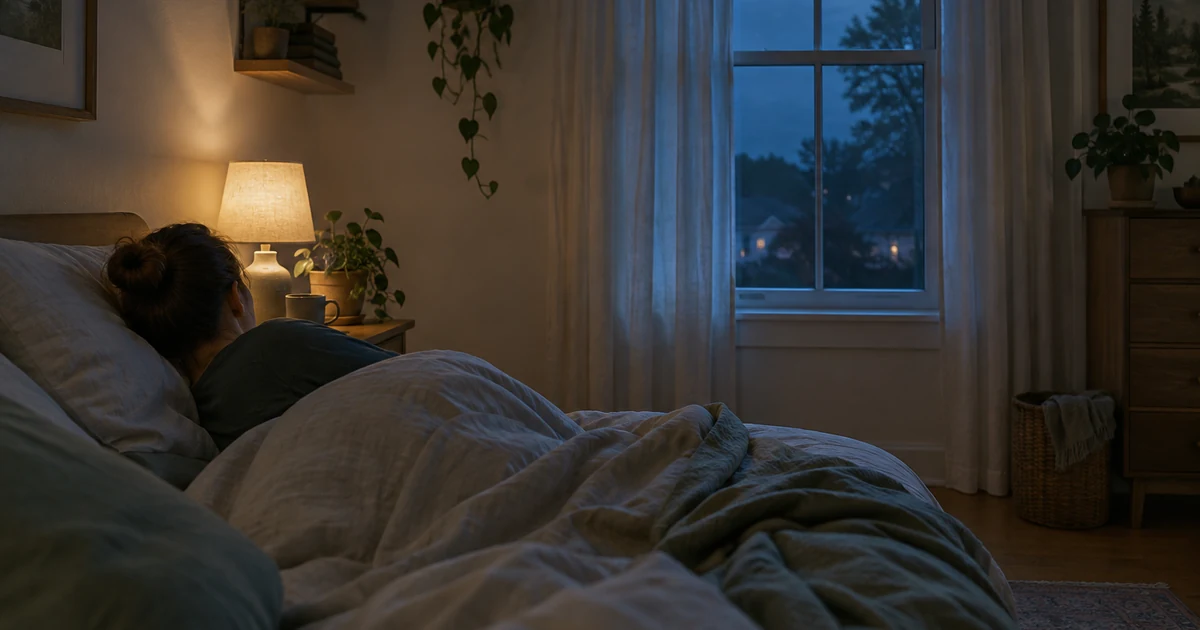
Anxiety and Insomnia: Why Your Mind Races at Night (and What Helps)
-

What to Do During a Panic Attack: 6 Steps That Help
-

Anxiety Test: Do I Have an Anxiety Disorder? (GAD-7 Explained)
-

Best Online Therapy for Anxiety in the USA (2026)
-

Physical Symptoms of Anxiety That Feel Like Illness (and When to See a Doctor)
-

Nighttime Anxiety: Why It Happens & 6 Ways to Calm Down in Bed
-

Why Do I Feel Anxious for No Reason? 7 Hidden Causes & What Helps
-
How to Relieve Stress: 10 Practical, Research-Based Ways
-
What Is Anxiety? Symptoms, Causes & Treatment Explained
Frequently asked questions
What is the difference between stress and anxiety?
Stress is usually a response to a specific pressure and eases when it passes. Anxiety can persist without a clear trigger and continue after the stressor is gone.
Can anxiety go away on its own?
Mild, short-lived anxiety often does. Anxiety disorders tend to persist or come back without treatment, but they respond well to therapy such as CBT.
Is online therapy good for anxiety?
Research on internet-based CBT is encouraging, and many people find it easier to start from home. It is not suitable for emergencies.
How do I know if I need therapy?
If anxiety has lasted weeks and gets in the way of daily life, it’s worth talking to a professional. A free screening test can help you decide.
You don’t have to handle anxiety alone.
Online-Therapy.com connects you with a licensed therapist and a structured CBT program you can follow from home. Use code THERAPY20 for 20% off your first month.
See how it works for anxiety →Sponsored link · Cancel anytime · Not an emergency service — in crisis, call or text 988
Sources
- NIMH: Anxiety Disorders
- NIMH: Generalized Anxiety Disorder — When Worry Gets Out of Control
- NIMH: Panic Disorder — When Fear Overwhelms
- NIMH: Social Anxiety Disorder — More Than Just Shyness
- American Psychological Association: Cognitive behavioral therapy
- Andersson G. et al. (2014). Guided Internet-based vs. face-to-face CBT: a systematic review and meta-analysis. World Psychiatry.
- Carlbring P. et al. (2018). Internet-based vs. face-to-face cognitive behavior therapy for psychiatric and somatic disorders: an updated systematic review and meta-analysis. Cognitive Behaviour Therapy.
- SAMHSA: 988 Suicide & Crisis Lifeline