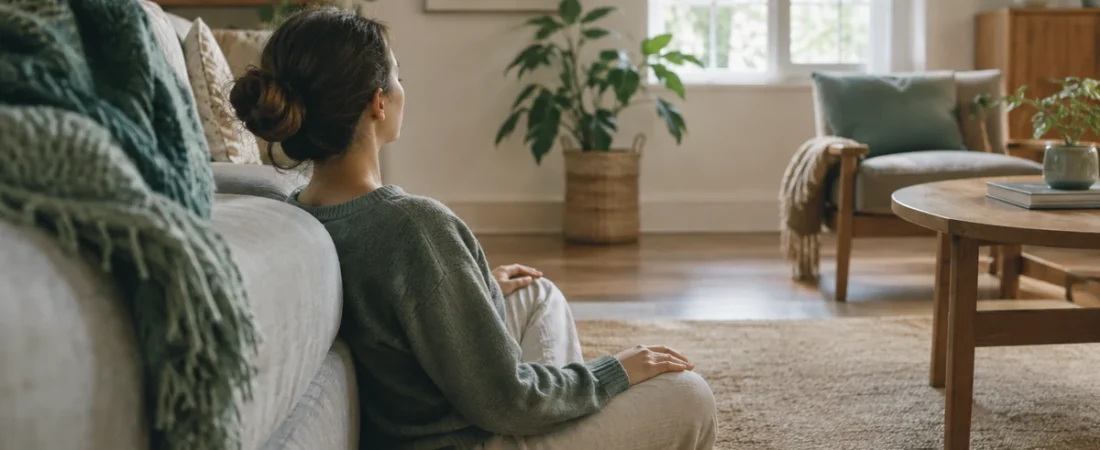
A panic attack can feel like a heart attack, like you’re losing control, or like something terrible is about to happen. It’s frightening — but panic attacks themselves are not life-threatening, and there are simple things you can do in the moment to help your body settle. Here’s a step-by-step guide.
What a panic attack is
According to NIMH, a panic attack is a sudden wave of fear or discomfort, or a sense of losing control, even when there’s no clear danger. Physical symptoms can include a pounding or racing heart, sweating, chills, trembling, difficulty breathing, dizziness, tingling or numb hands, chest pain, and nausea. An attack can last from a few minutes to an hour or sometimes longer, and the symptoms usually resolve with time.
What to do during a panic attack: 6 steps
- Name it. Tell yourself: “This is a panic attack. It’s uncomfortable, but it will pass.” Labeling the experience can reduce the fear of the fear.
- Slow your breathing. Breathe in gently through your nose for about 4 seconds, then out slowly through your mouth for about 6 seconds. Longer out-breaths help counter the urge to gulp air. Keep it gentle — don’t force deep breaths.
- Ground yourself with your senses. Try the 5-4-3-2-1 exercise: notice 5 things you can see, 4 you can feel, 3 you can hear, 2 you can smell, and 1 you can taste.
- Let the wave rise and fall. Fighting the sensations often makes them stronger. Imagine them as a wave that peaks and then recedes.
- Relax your muscles. Drop your shoulders, unclench your jaw, and loosen your hands. Press your feet into the floor.
- Stay where you are if you can. Leaving a place mid-attack can teach your brain that the place was dangerous, which feeds future avoidance.
Tired of bracing for the next panic attack?
CBT is one of the most studied treatments for panic. Online-Therapy.com pairs you with a licensed therapist and a structured CBT program. Use code THERAPY20 for 20% off your first month.
Explore online help for panic →Sponsored link · Cancel anytime · Not an emergency service — in crisis, call or text 988
What not to do
- Don’t reach for caffeine, alcohol, or other substances to calm down — they can make anxiety worse over time.
- Don’t search your symptoms while it’s happening; it usually increases the alarm.
- Don’t judge yourself for having an attack. They’re common and treatable.
After the attack
Once things settle, rest, drink some water, and do something ordinary and calming. Some people find it helpful to jot down when the attack happened and what was going on, which can reveal patterns to discuss with a professional.
When panic attacks keep coming back
An isolated panic attack isn’t a mental disorder. But if you have repeated, unexpected attacks and spend a lot of time worrying about the next one — or you start avoiding places because of them — that may be panic disorder, which NIMH notes can be managed with the right treatment. The main treatments are psychotherapy, particularly cognitive behavioral therapy (CBT), and medication, which a doctor or psychiatrist can discuss with you.
Tired of bracing for the next panic attack?
CBT is one of the most studied treatments for panic. Online-Therapy.com pairs you with a licensed therapist and a structured CBT program. Use code THERAPY20 for 20% off your first month.
Explore online help for panic →Sponsored link · Cancel anytime · Not an emergency service — in crisis, call or text 988
If you want to start CBT from home, online therapy can be a practical option. Read our guide to the best online therapy for anxiety or our Online-Therapy.com review.
Frequently asked questions
Can a panic attack hurt me?
Panic attacks themselves are not life-threatening, according to NIMH. But symptoms like chest pain can also come from medical problems, so get checked by a doctor, especially the first time.
How long does a panic attack last?
NIMH says a panic attack can last from a few minutes to an hour or sometimes longer.
What’s the fastest way to stop a panic attack?
There’s no instant off switch, but slow breathing with long exhales, grounding through your senses, and letting the sensations pass rather than fighting them help many people. Long term, CBT is one of the best-studied treatments.
Tired of bracing for the next panic attack?
CBT is one of the most studied treatments for panic. Online-Therapy.com pairs you with a licensed therapist and a structured CBT program. Use code THERAPY20 for 20% off your first month.
Explore online help for panic →Sponsored link · Cancel anytime · Not an emergency service — in crisis, call or text 988
Sources
- NIMH: Panic Disorder — When Fear Overwhelms
- NIMH: Anxiety Disorders
- NIMH: Psychotherapies
- SAMHSA: 988 Suicide & Crisis Lifeline